
Sleep Disordered Breathing
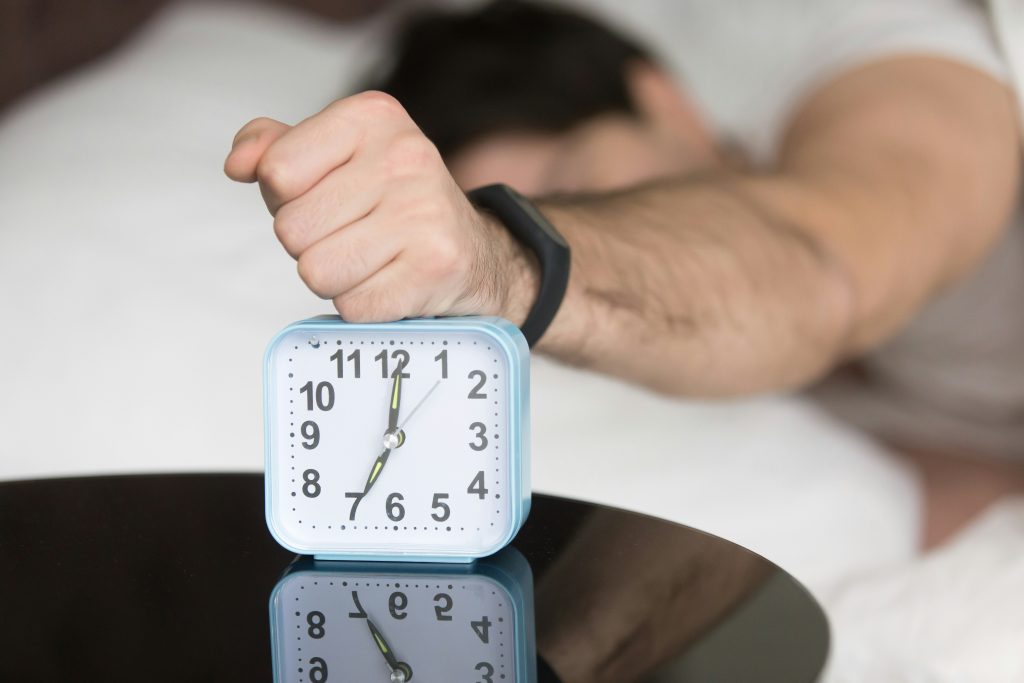
Sleep is when the body heals, grows, and recharges — so when breathing is disrupted during sleep, the effects can ripple through every part of daily life. Sleep disordered breathing is more common than many people realize, and it often goes unrecognized for years. Whether it’s showing up as snoring, restless nights, or daytime fatigue, there’s a lot that can be done to help.
What is sleep disordered breathing?
Sleep disordered breathing (SDB) is an umbrella term for a range of conditions in which airflow is partially or fully obstructed during sleep. This includes snoring, upper airway resistance syndrome, and obstructive sleep apnea (OSA). In children, SDB often looks different than it does in adults — and it’s frequently missed or mistaken for behavioral issues like ADHD, anxiety, or simply being a “bad sleeper.”
Orofacial muscle function plays a significant role in how well the airway stays open during sleep. When the tongue rests low in the mouth, the lips don’t seal properly, or the muscles of the throat lack adequate tone, the airway becomes more vulnerable to collapse at night. Myofunctional therapy addresses these underlying muscle patterns to support better breathing — often as part of a collaborative care plan with ENTs, dentists, and sleep specialists.
Signs to look out for:
During sleep:
- Snoring, gasping, or noisy breathing during sleep
- Mouth breathing at night
- Restless sleep, frequent waking, or unusual sleep positions
- Bedwetting past typical age (can be linked to SDB in children)
- Observed pauses in breathing
During the day:
- Chronic fatigue or difficulty waking in the morning
- Difficulty concentrating, hyperactivity, or mood changes (especially in children)
- Mouth breathing or open-mouth resting posture
- Dark circles under the eyes
- Frequent headaches, especially in the morning
Key Milestones:
|
Age |
What to expect |
|
Infancy |
Nasal breathing should be established; noisy or labored breathing during sleep may signal early airway concerns |
|
2-5 years |
Snoring is never “normal” — even occasional snoring in young children warrants attention; tonsil and adenoid size peaks in this window |
|
5- 12 years |
SDB in school-age children often presents as inattention or behavioral challenges rather than sleepiness; facial growth patterns are still malleable |
|
Teens & adults |
Risk increases with age; myofunctional therapy has strong evidence as an adjunct to CPAP and other airway treatments |
When to seek treatment:
If you or your child snores regularly, breathes through the mouth, or wakes up feeling unrefreshed, it’s worth getting an evaluation. Sleep disordered breathing is rarely “just the way they sleep” — and addressing airway and muscle function early can make a meaningful difference in sleep quality, behavior, growth, and long-term health.
I work closely with ENTs, sleep medicine physicians, and airway-focused dentists to provide coordinated care. Myofunctional therapy is often recommended alongside other treatments — and research shows it can significantly reduce the severity of sleep apnea in both children and adults.